
Mulch the Land While You Clear It
Forestry Mulching in Fayetteville for overgrown acreage, trails, and properties requiring vegetation removal without hauling debris offsite
Grade A Land Clearing & Tree Services performs forestry mulching for property owners in Fayetteville, Lumberton, Sanford, and surrounding areas who need to clear brush, saplings, and small trees while leaving behind a layer of organic mulch that controls erosion and enriches the soil. You may own several acres of overgrown land where traditional clearing would generate truckloads of debris, or you may be managing a trail system, pasture edge, or utility corridor that needs vegetation removed without disturbing the soil surface. The process uses a rotating drum with carbide teeth that grinds standing vegetation into fine mulch, eliminating the need for burning, hauling, or separate chipping operations.
A forestry mulcher cuts through thick undergrowth, hardwood saplings up to six inches in diameter, and pine stands common in the Fayetteville region, reducing them to a uniform mulch layer in a single pass. The mulch remains onsite, covering bare soil to prevent washout during rain events and suppressing seed germination that would otherwise lead to rapid regrowth. This method is faster than clearing with excavators and hauling debris, and it leaves the land immediately usable for walking, mowing, or further development without waiting for burn permits or coordinating waste removal.
Contact the team to arrange a site visit and discuss how mulching can restore access and usability to overgrown land with minimal soil disturbance and lower hauling costs.
Why Mulching Works Better for Large Properties
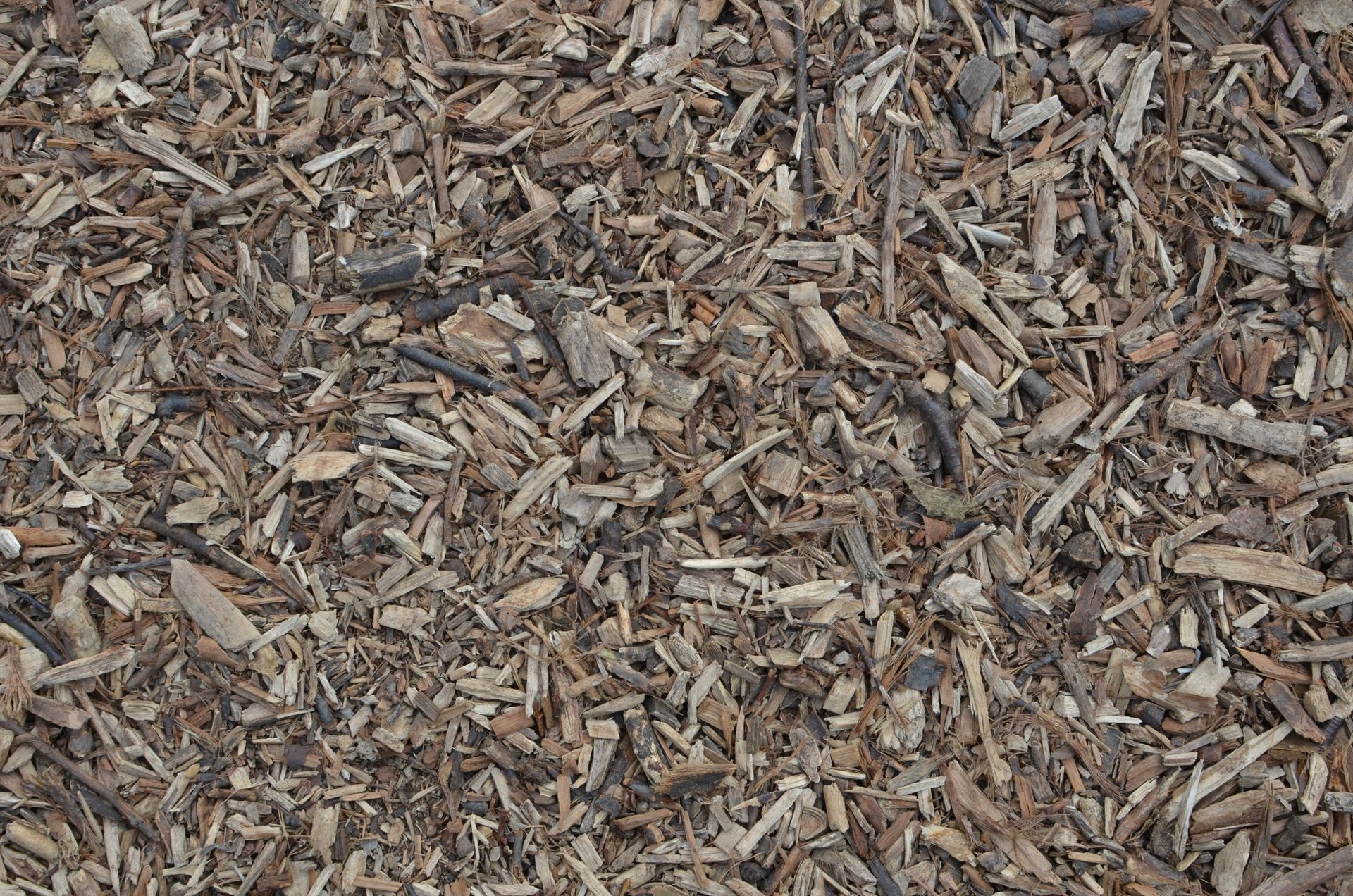
You will notice that the cleared area is covered with a dark brown layer of shredded wood and leaf material, typically two to four inches deep, that settles into the soil over the following months. This mulch layer absorbs rainfall, reduces runoff velocity, and prevents gully formation on sloped ground. If your property includes sandy soil or clay hardpan common in Cumberland County, the mulch improves water infiltration and provides organic matter that breaks down into topsoil over time.
Grade A Land Clearing & Tree Services operates track-mounted mulching heads that distribute machine weight across a wide footprint, reducing rutting and compaction compared to wheeled equipment. The crew works in straight rows or follows existing trails, clearing vegetation to the ground line without uprooting stumps or scraping away the topsoil layer. Mulching is not suitable for properties that require stump removal below grade, such as sites being prepared for building foundations, but it is ideal for clearing trails, maintaining property lines, restoring pasture edges, or opening wooded acreage for recreational use.
The process does not remove large trees over eight inches in diameter, which are typically felled and removed separately if needed. Mulching also leaves roots in place, so areas with extensive root systems may require follow-up mowing or herbicide treatment to prevent sprouting, especially with species like sweetgum or privet that regenerate aggressively from cut stems.
Forestry mulching changes how your property looks and functions, and understanding the method helps you decide if it fits your clearing goals and timeline.
What You Should Know Before Mulching
How much land can be mulched in a day?
A skilled operator can mulch one to three acres per day depending on vegetation density, terrain slope, and the size of woody material being processed.
Will the mulch attract termites or pests?
The mulch layer dries out quickly in open sun and does not create the moist, decaying wood environment that termites prefer, though it may temporarily support beetle larvae and other decomposers that help break down organic matter.
Can you mulch around trees I want to keep?
Yes, the operator can maneuver around marked trees and leave a buffer zone to protect root systems, though low branches may need to be trimmed separately to avoid damage during clearing.
What types of vegetation work best for mulching?
Mulching is most effective on brush, saplings, vines, and small hardwoods up to six inches in diameter, along with pine trees under eight inches, which are common in the Fayetteville area.
Does mulching prevent regrowth?
The mulch layer suppresses many weed seeds and shades out low vegetation, but it does not kill roots, so follow-up mowing or herbicide application may be needed for persistent species that sprout from cut stems.
For large properties where hauling debris is impractical or where you want to maintain soil health and reduce erosion risk, reach out to Grade A Land Clearing & Tree Services to review your acreage and provide a mulching estimate based on current vegetation and access conditions.